What did martin niemöller do
Friedrich Gustav Emil Martin Niemöller (German: [ˈmaʁtiːn ˈniːmœlɐ] ⓘ; 14 January – 6 March ) was a German theologian and Lutheran pastor. [1][3] He is best known for his opposition to the Nazi regime during the late s and for his widely quoted poem "First they came ". Martin niemöller quotes
Martin Niemöller (–) was a prominent Protestant pastor who emerged as an outspoken public foe of Adolf Hitler and spent the last seven years of Nazi rule in concentration camps, despite his ardent nationalism.
Friedrich Gustav Emil Martin Niemöller (German: [ˈmaʁtiːn ˈniːmœlɐ] ⓘ; 14 January 1892 – 6 March 1984) was a German theologian and Lutheran pastor. [1][3] He is best known for his opposition to the Nazi regime during the late 1930s and for his widely quoted 1946 poem "First they came ".
Friedrich Gustav Emil Martin Niemöller was a German theologian and Lutheran pastor. Martin Niemöller (born Janu, Lippstadt, Germany—died March 6, 1984, Wiesbaden, West Germany) was a prominent German anti-Nazi theologian and pastor, founder of the Confessing Church and a president of the World Council of Churches.
How did martin niemöller die
Martin Niemöller (born Janu, Lippstadt, Germany—died March 6, , Wiesbaden, West Germany) was a prominent German anti-Nazi theologian and pastor, founder of the Confessing Church and a president of the World Council of Churches. Martin niemöller death
Martin Niemöller (–) was a prominent Lutheran pastor in Germany. In the s and early s, he sympathized with many Nazi ideas and supported radically right-wing political movements. But after Adolf Hitler came to power in , Niemöller became an outspoken critic of Hitler’s interference in the Protestant Church. When did martin niemöller write his poem
This is the first fully researched biography of Martin Niemöller (). It charts his life from his service in the Imperial German Navy, his work for the Inner Mission and as a Protestant pastor in the Berlin suburb of Dahlem from Martin Niemöller (born Janu, Lippstadt, Germany—died March 6, , Wiesbaden, West Germany) was a prominent German anti-Nazi. Martin Niemöller (1892–1984) was a prominent Protestant pastor who emerged as an outspoken public foe of Adolf Hitler and spent the last seven years of Nazi rule in concentration camps, despite his ardent nationalism.
What happened to martin niemöller
Martin Niemöller () was a German Protestant who spent seven years in Nazi concentration camps for opposing the religious policies of Hitler. After the war, he became a prominent member of the Peace Movement.
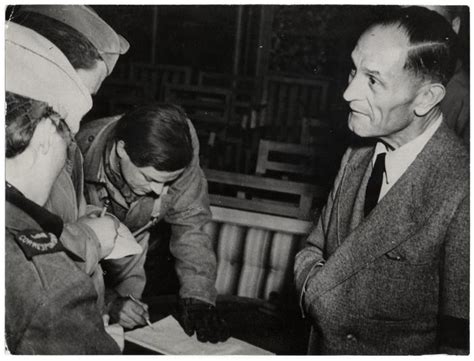
Martin niemöller wife
Martin Niemöller was a leading figure in the Confessing Church, a movement that resisted Nazi interference in religious affairs and stood up for the freedom of the church to proclaim its message independent of state control. Martin niemöller poem
Friedrich Gustav Emil Martin Niemöller (German: [ˈmaʁtiːn ˈniːmœlɐ] ⓘ; 14 January – 6 March ) was a German theologian and Lutheran pastor. [1][3] He is best known for his opposition to the Nazi regime during the late s and for his widely quoted poem "First they came ". biography of martin niemoller3 Martin Niemöller (1893-1984) was a German Protestant who spent seven years in Nazi concentration camps for opposing the religious policies of Hitler. After the war, he became a prominent member of the Peace Movement.Then They Came for Me: Martin Niemöller, the Pastor Who ... This is the first fully researched biography of Martin Niemöller (1892-1984). It charts his life from his service in the Imperial German Navy, his work for the Inner Mission and as a Protestant pastor in the Berlin suburb of Dahlem from 1931.Toggle share options Martin Niemöller was a leading figure in the Confessing Church, a movement that resisted Nazi interference in religious affairs and stood up for the freedom of the church to proclaim its message independent of state control.